ABOUT THE COALITION
Established 2023
The West and Central Africa Elasmobranch Coalition brings together partners across 14 countries to drive collaboration, strengthen fisheries management, and reduce shark and ray mortality.

Established 2023
The West and Central Africa Elasmobranch Coalition brings together partners across 14 countries to drive collaboration, strengthen fisheries management, and reduce shark and ray mortality.
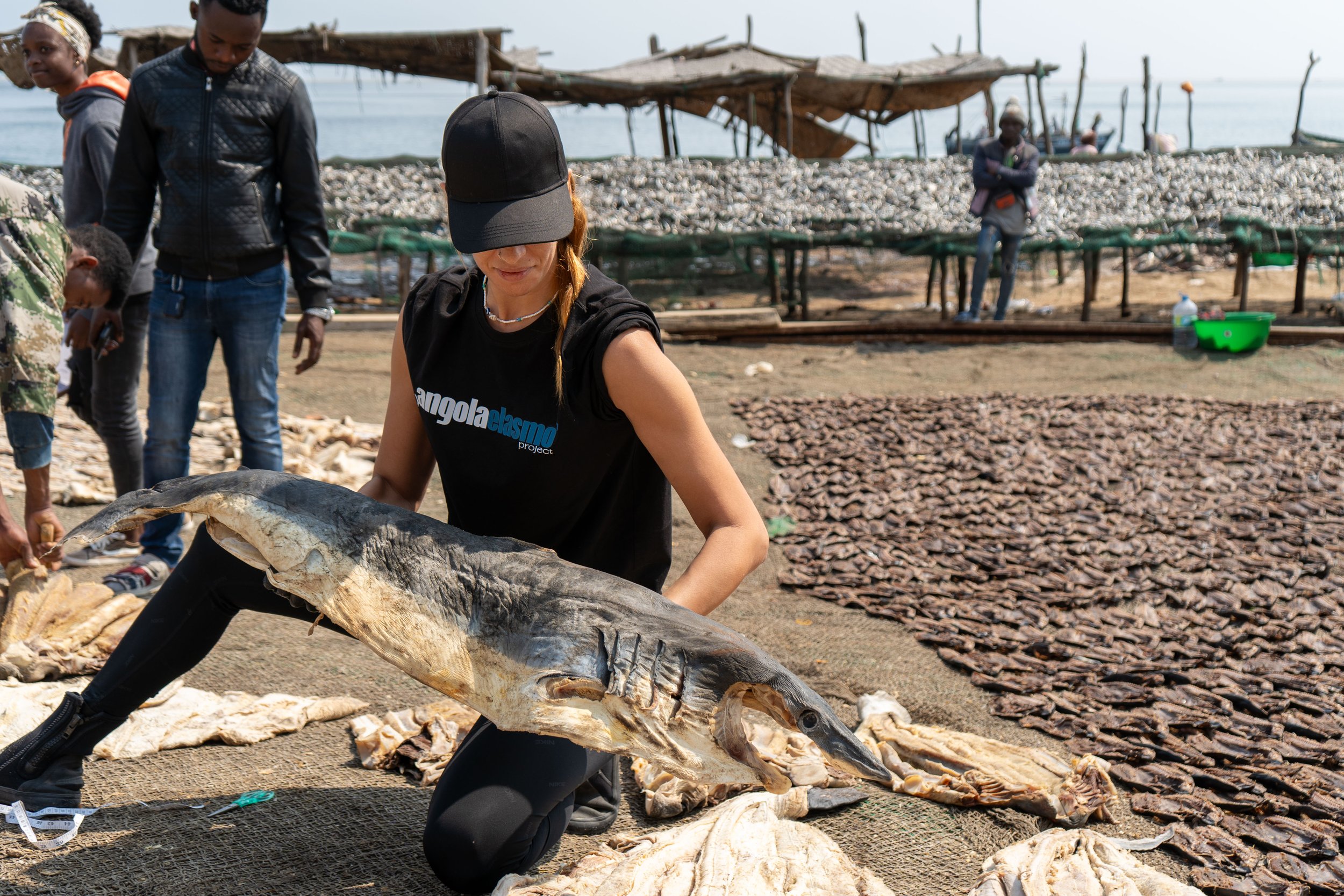
West and Central Africa are a global hotspot for shark and ray fisheries, despite their rich marine biodiversity and the presence of critical nursery habitats. These species are essential for healthy marine ecosystems and coastal livelihoods, yet populations are declining rapidly due to overfishing, limited enforcement, and fragmented governance.
Although most countries in the region are signatories to international agreements such as CITES and CMS, domestic implementation remains limited, with few species-specific protections in place. Both industrial and small-scale fisheries contribute significantly to fishing pressure, including targeted fishing and retention of bycatch for meat, fins, liver oil, and gill plates. In some areas, declines have been severe, with some guitarfish populations in Guinea-Bissau recorded as having fallen by up to 97%.
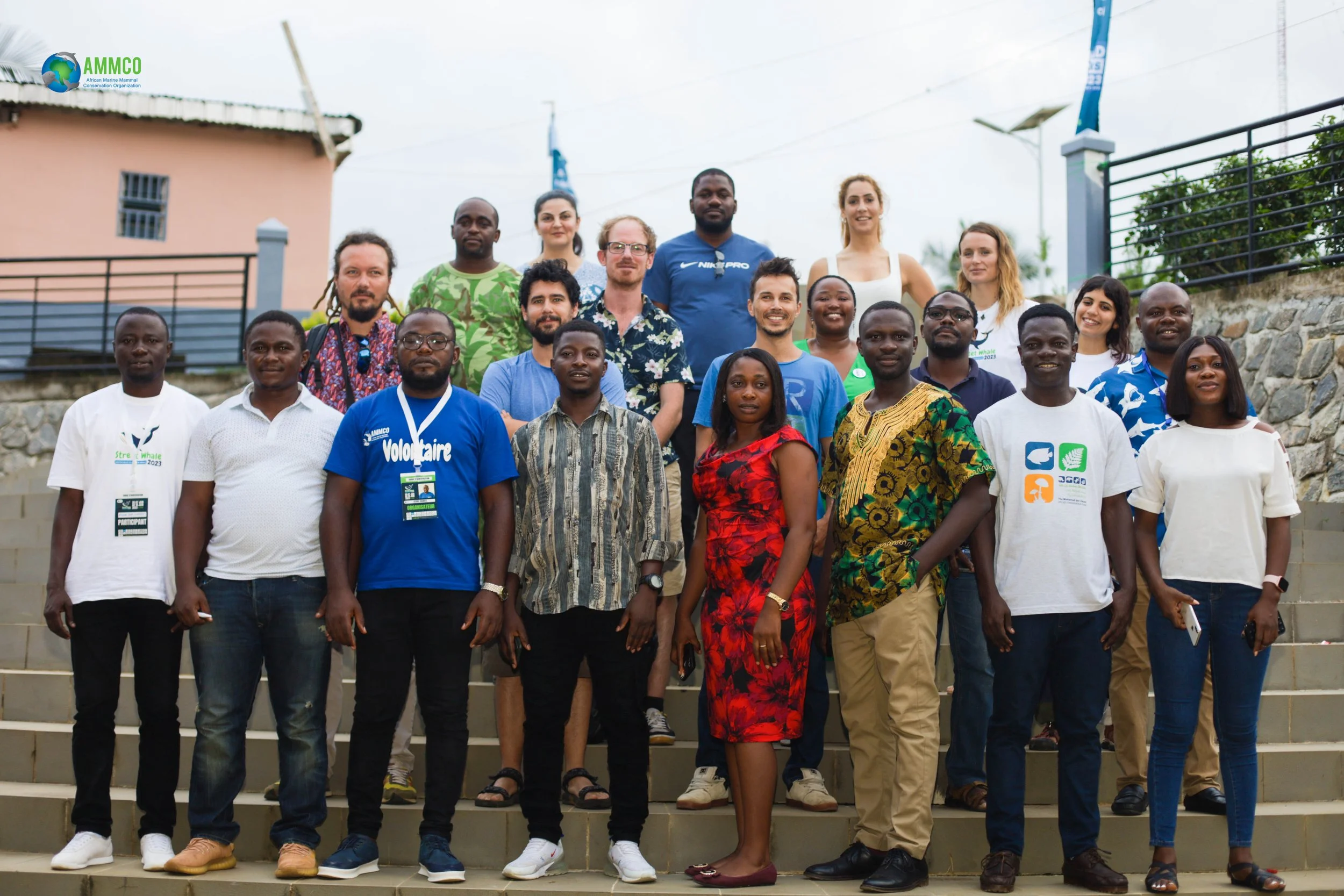
In response, the West and Central Africa Elasmobranch Coalition (WCAEC) was established in 2023 to strengthen coordinated regional action for shark and ray conservation. The coalition now spans 14 countries and brings together NGOs, researchers, and practitioners working across science, policy, and fisheries management.
Through collaboration, research, and capacity building, the coalition works to reduce shark and ray mortality and strengthen fisheries governance. Its work is guided by a Regional Strategy and Plan of Action and aligned with global frameworks, including the IUCN SSC Shark Specialist Group.



We strengthen national policy and legal frameworks by supporting NPOAs, aligning with CITES and CMS, and translating fisheries data into practical, evidence-based recommendations for management and enforcement.
We generate and analyse fisheries and socio-economic data through market surveys, catch documentation, and fisher engagement to better understand species composition, fishing pressure, and livelihood dependence.
We build regional capacity through training in species identification, monitoring, and data collection, while supporting CITES implementation and strengthening collaboration between governments, researchers, and coastal communities.



We improve the use of fisheries and trade data to support national policy development, NPOAs, and international commitments, while identifying priority species, fisheries, and countries for targeted action.
We strengthen understanding of shark and ray populations and priority habitats, while advancing future work on enforcement, regional data systems, and practical tools for long-term conservation impact.
We establish a coordinated regional framework across 14 countries, uniting partners under a shared strategy to improve coherence and collaboration in shark and ray conservation.